Mission, vision and values
Restoring ecosystems, strengthening communities and building a sustainable future in Guinea.
Work with communities in Guinea to restore ecosystems, protect biodiversity and improve living conditions through agroecology, climate adaptation and participatory natural resource management. A Guinea where ecosystems are protected and restored, and where communities have sustainable livelihoods and participate fully in the development of their territories.
Our mission
Work with communities in Guinea to restore ecosystems, protect biodiversity and improve living conditions through agroecology, climate adaptation and participatory natural resource management.
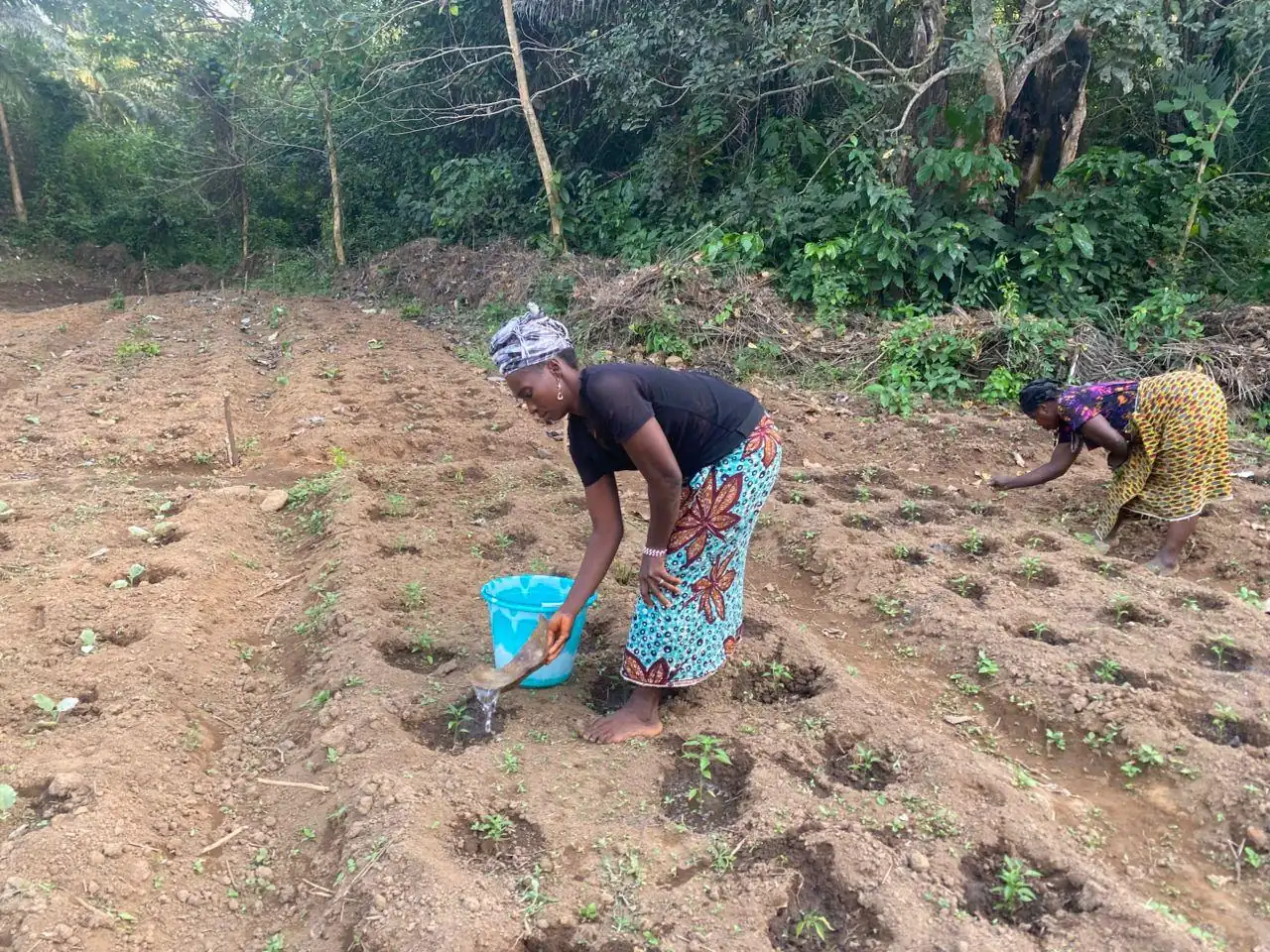
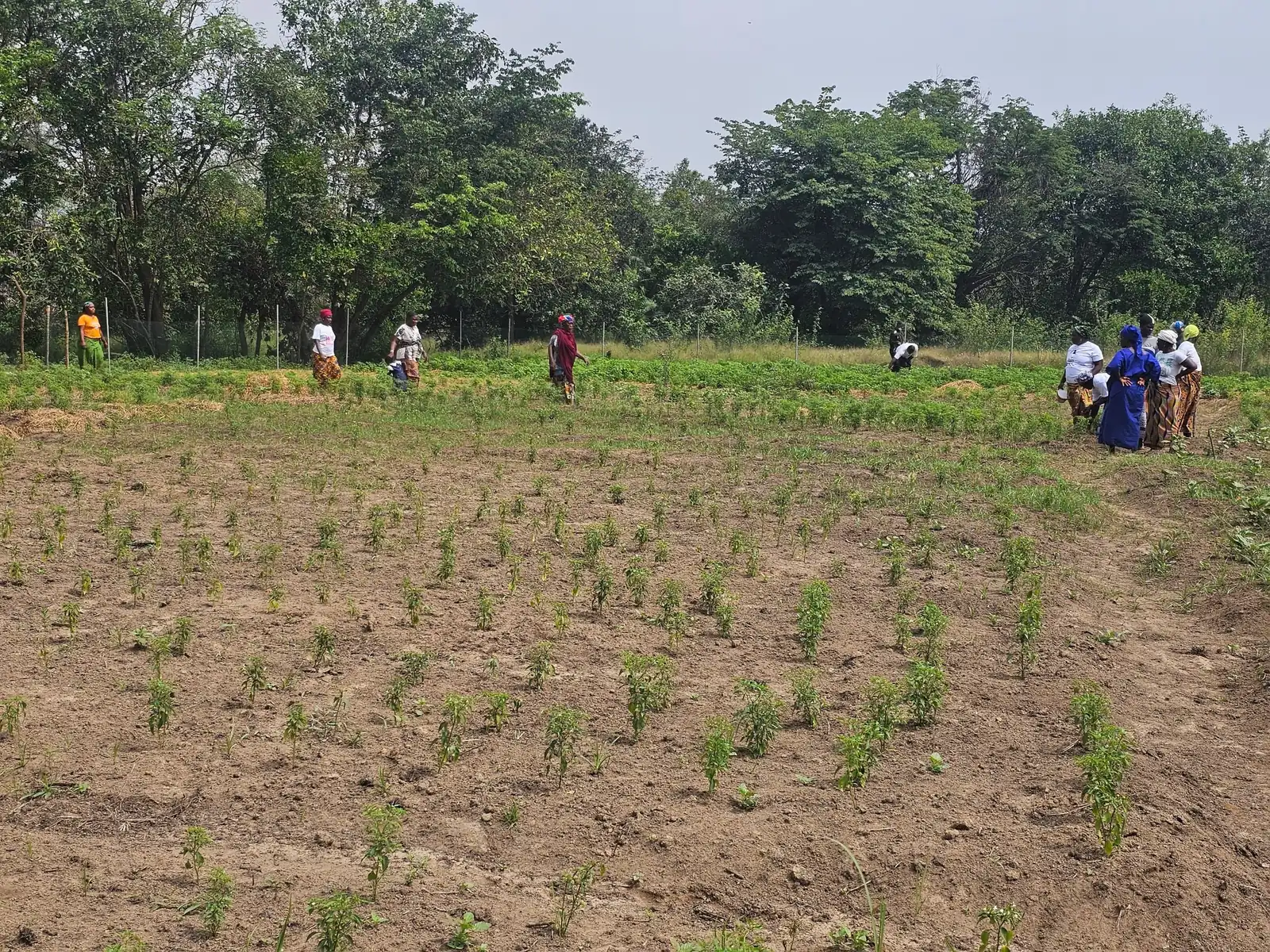
Our work combines the restoration of degraded land, community reforestation and the sustainable management of forests, soils and water. Agroecology and support for producers connect the protection of these resources with the activities that sustain community livelihoods.
Environmental education, training and territorial consultation complement this work. They support community participation, local governance and the development of income-generating activities.
Our vision
A Guinea where ecosystems are protected and restored, and where communities have sustainable livelihoods and participate fully in the development of their territories.
This vision connects the future of ecosystems with that of communities. It brings together biodiversity conservation, climate resilience and local economic development, so that protecting nature contributes to better living conditions.
It places social inclusion and participation in local decisions at its heart. Women, young people, producers and communities affected by development projects have a stake in the management and future of their territories.
The principles that guide our actions
Community participation
Develop actions with communities and strengthen their role in decision-making.
This participation draws on territorial consultation, local governance and capacity building. Communities take part in natural resource management and in actions affecting their territories.
Inclusion and respect for rights
Take into account women, young people and communities affected by development projects.
Social inclusion accompanies training and local development activities. Support for affected communities addresses rights, land management and conflict prevention in particular.
Respect for nature
Protect biodiversity, forests, soils and water.
Ecological restoration, community reforestation and sustainable agricultural practices put this commitment into action. They connect ecosystem protection with sustainable natural resource management.
Dialogue and cooperation
Encourage dialogue between communities, authorities and partners.
Territorial consultation and mediation between stakeholders enable local issues to be addressed together. This approach is reflected in GECA’s collaborations with institutional, technical and financial partners.
Sustainability
Seek lasting effects for ecosystems and livelihoods.
Capacity building, community empowerment and income-generating activities contribute to this aim. GECA’s approach connects community resilience with the sustainability of investments.